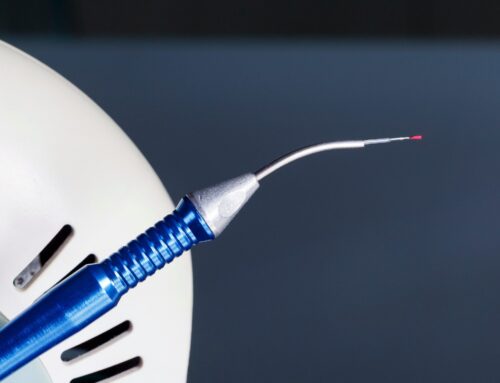
Modern dentistry continues to evolve in ways that make treatment more comfortable, precise, and efficient for patients. One of the most exciting advancements in recent years is laser dentistry. For patients who may feel anxious about traditional dental tools or procedures, lasers offer a more gentle and streamlined approach to care. At a trusted Dentist in Moline, IL, this technology is helping redefine what patients can expect from their dental experience.
Laser dentistry is not just a trend. It represents a meaningful shift in how dental professionals diagnose and treat a wide range of oral health concerns. Whether you are visiting for routine care or more advanced treatment, understanding how this technology works can help you feel more confident and informed about your options.
How Does Laser Dentistry Work?
To understand the impact of laser dentistry, it helps to first explore the basics of how it functions. A dental laser is a highly focused beam of light energy that can interact with both soft tissue, like gums, and hard tissue, like teeth. This light energy can cut, reshape, or remove tissue with exceptional precision while minimizing damage to surrounding areas.
When a dentist uses a laser, the wavelength and intensity are carefully selected based on the type of procedure being performed. For example, softer wavelengths may be used for gum treatments, while stronger wavelengths are applied for procedures involving tooth enamel or decay removal. The laser energy works by targeting water molecules within tissues, allowing for controlled and efficient treatment.
One of the most appealing aspects of this technology is that it often reduces the need for traditional tools such as drills or scalpels. This can result in a quieter, less invasive experience, which many patients find significantly more comfortable. In many cases, laser dentistry also reduces the need for anesthesia, making appointments faster and easier overall.
Types of Dental Lasers
There are different types of dental lasers, each designed for specific applications. Understanding these categories can help patients better appreciate how versatile this technology truly is.
Soft Tissue Lasers
The first category includes soft tissue lasers. These are primarily used for procedures involving the gums. They are highly effective for reshaping gum tissue, treating periodontal disease, and removing bacteria from infected areas. Because they seal blood vessels as they work, they also help reduce bleeding and swelling during and after procedures.
Hard Tissue Lasers
The second category involves hard tissue lasers. These are used for treatments that affect the teeth themselves, such as removing decay or preparing a tooth for a filling. Hard tissue lasers can often perform these tasks without the vibration or noise associated with traditional dental drills, which can be a major benefit for patients with dental anxiety.
Some advanced systems combine both soft and hard tissue capabilities, allowing dentists to perform a wide range of procedures with a single device. This flexibility enhances the overall efficiency of care and allows for more comprehensive treatment planning.
The Uses of Laser Dentistry
The Uses of Laser Dentistry extend across many areas of dental care, making it a valuable tool for both preventive and restorative treatments. Patients may encounter laser technology in a variety of common procedures.
One of the most common applications is the treatment of gum disease. Lasers can effectively remove infected tissue and bacteria from periodontal pockets while preserving healthy tissue. This approach supports faster healing and reduces the risk of complications.
Laser dentistry is also used for cavity detection and treatment. In some cases, lasers can identify early signs of tooth decay that may not be visible with traditional methods. When treatment is needed, lasers can remove decayed material with remarkable precision, helping to preserve as much healthy tooth structure as possible.
Another important use is in cosmetic procedures. Lasers can reshape gum lines to create a more balanced and attractive smile. This is often part of a broader esthetic treatment plan designed to enhance the overall appearance of the teeth and gums.
Additionally, lasers are commonly used for procedures such as teeth whitening, treating oral lesions, performing biopsies, and reducing tooth sensitivity. Their versatility makes them a valuable asset in nearly every area of modern dentistry.
For patients visiting a Dentist in Moline, IL, this means access to advanced care that can address both functional and esthetic concerns with greater efficiency and comfort.
Features of Laser Dentistry
The Features of Laser Dentistry are what truly set it apart from more traditional approaches. Patients often notice the difference immediately, even during their first appointment involving laser technology.
Precision
One of the most significant advantages is precision. Lasers allow dentists to target specific areas without affecting surrounding tissues. This level of accuracy is especially important for procedures involving delicate structures in the mouth.
Reduced Discomfort
Another key feature is reduced discomfort. Because lasers minimize the need for cutting and drilling, patients often experience less pain both during and after treatment. This can make a significant difference for those who feel nervous about dental visits.
Faster Healing
Healing time is another important consideration. Laser procedures typically result in less swelling, bleeding, and trauma to the tissues. As a result, patients often recover more quickly and can return to their normal routines sooner.
Improved Infection Control
Infection control is also enhanced with laser dentistry. The laser energy helps sterilize the treatment area as it works, reducing the presence of bacteria and lowering the risk of post-procedure infections.
Many patients also appreciate the quieter, less intimidating environment created by laser treatments. The absence of loud drilling sounds and the reduced need for anesthesia contribute to a more relaxed and positive experience overall.
A More Comfortable Patient Experience
For many individuals, fear or anxiety about dental procedures can be a barrier to receiving proper care. Laser dentistry addresses many of the common concerns that patients have about traditional treatments.
The gentler nature of laser procedures can help patients feel more at ease from the moment they sit in the chair. Without the pressure, vibration, and noise of conventional tools, appointments often feel less stressful and more manageable.
This improved experience is particularly beneficial for children, patients with sensitive teeth, and those who have had negative dental experiences in the past. By making treatment more comfortable, laser dentistry encourages patients to maintain regular visits and prioritize their oral health.
Supporting Better Long Term Oral Health
Beyond immediate comfort, laser dentistry also plays a role in supporting long term oral health outcomes. Because treatments are more precise and less invasive, they help preserve healthy tooth and gum structures whenever possible.
Early detection and treatment of issues such as cavities or gum disease can prevent more serious problems from developing over time. Lasers enable dentists to intervene at earlier stages, which can reduce the need for more complex procedures in the future.
Additionally, the improved healing process associated with laser treatments can contribute to better overall results. Patients are more likely to follow through with recommended care when the experience is positive and recovery is manageable.
What to Expect During a Laser Dentistry Appointment
If you are considering laser dentistry, you may be wondering what the experience will be like. In many ways, the process is similar to a traditional dental visit, but with some key differences.
Your dentist will begin by evaluating your oral health and determining whether laser treatment is appropriate for your needs. Once a plan is in place, the procedure will be performed using specialized laser equipment tailored to the specific treatment.
During the procedure, you may notice a gentle sensation as the laser works, but discomfort is typically minimal. In many cases, anesthesia may not be necessary, depending on the type of treatment being performed.
After the procedure, you will receive guidance on any necessary aftercare. Most patients find that recovery is quick and straightforward, allowing them to resume their normal activities with little interruption.
Is Laser Dentistry Right for You?
While laser dentistry offers many benefits, it is important to determine whether it is the best option for your individual needs. Not all procedures can be performed with lasers, and your dentist will recommend the most appropriate treatment based on your specific situation.
Factors such as the type of dental issue, the condition of your teeth and gums, and your overall health will all play a role in this decision. A consultation with a knowledgeable Dentist in Moline, IL can help you explore your options and understand how laser technology may fit into your care plan.
For many patients, the advantages of laser dentistry make it an appealing choice. From improved comfort to faster healing and enhanced precision, this innovative approach is helping to shape the future of dental care in meaningful ways.
By embracing advanced technologies like lasers, dental practices are able to provide a higher level of care that prioritizes both effectiveness and patient experience. Whether you are seeking preventive care, restorative treatment, or cosmetic improvements, laser dentistry offers a modern solution designed with your comfort and health in mind.