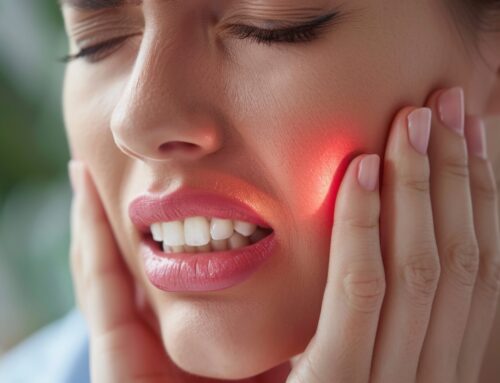
Modern dentistry has evolved far beyond fillings and cleanings. Today’s dental practices focus on whole-face health, comfort, and confidence, recognizing that oral health is closely connected to facial muscles, jaw function, and overall well-being. One of the most impactful advancements supporting this comprehensive approach is the use of Botox in dentistry. While many patients associate Botox solely with cosmetic treatments, its role in modern dental care extends far beyond smoothing facial lines.
At Muna Strasser DDS in Moline, Illinois, Botox is used thoughtfully as part of patient-centered dental care. By addressing both cosmetic and therapeutic concerns, Botox allows dentists to improve comfort, function, and facial balance in ways that traditional dental treatments alone may not achieve.
What Is Botox?
Botox is a purified, medical-grade form of botulinum toxin type A that has been used safely in healthcare for decades. When administered in small, controlled doses, Botox temporarily relaxes targeted muscles by blocking nerve signals that cause muscle contraction. This relaxation allows overactive or strained muscles to rest, reducing tension, discomfort, and unwanted movement.
In dentistry, Botox is applied with precision to muscles of the face, jaw, and neck that directly influence oral health and facial expression. Dentists receive extensive training in facial anatomy and muscle function, making them especially qualified to use Botox safely and effectively within the oral and maxillofacial region.
Why Dentists Use Botox
Dentists work daily with the complex muscle systems that control chewing, speaking, swallowing, and facial expression. When these muscles become overworked or imbalanced, patients may experience jaw pain, headaches, clenching, grinding, or facial discomfort.
Botox allows dentists to address these issues at the muscular level rather than simply managing symptoms. By reducing excessive muscle activity, Botox supports healing, relieves strain, and helps restore balance to the bite and jaw system. This makes it a valuable complement to restorative dentistry, orthodontics, nightguards, and other dental therapies.
In many cases, Botox improves the longevity and comfort of dental treatments by stabilizing muscle forces that can otherwise interfere with results.
Cosmetic and Therapeutic Uses
Botox in dentistry offers both cosmetic and therapeutic benefits, often within the same treatment plan. Therapeutically, Botox is commonly used to help manage conditions related to muscle tension and overuse. These may include jaw discomfort associated with temporomandibular joint disorders, chronic clenching or grinding, facial pain, and tension-related headaches.
From a cosmetic perspective, Botox supports dental esthetics by enhancing how the smile integrates with the surrounding facial features. A relaxed, balanced facial appearance helps highlight dental work and allows patients to feel more confident when smiling, speaking, and interacting socially.
This dual role makes Botox a versatile and effective tool in modern dental care.
Cosmetic Applications
In cosmetic dentistry, Botox is often used to soften fine lines around the mouth, relax a gummy smile, or address asymmetry caused by uneven muscle activity. These treatments are conservative and designed to enhance natural facial harmony rather than dramatically alter appearance.
For patients who have invested in whitening, veneers, crowns, or other smile enhancements, Botox can serve as a finishing touch. By relaxing the muscles that frame the smile, Botox allows dental restorations to appear more natural and balanced within the face.
Because dentists understand how facial muscles function during speech and expression, cosmetic Botox treatments in a dental setting are carefully planned to look natural both at rest and in motion.
The Procedure: Quick and Minimally Invasive
One of the reasons Botox has become so popular in dental offices is the simplicity of the procedure. Botox treatments are typically quick and minimally invasive, often completed in under 30 minutes. Very fine needles are used, and most patients report only mild, brief discomfort during injections.
There is little to no downtime following treatment. Patients can return to their normal daily activities immediately, making Botox easy to incorporate into a routine dental visit. Initial results may be noticeable within a few days, with full effects developing over one to two weeks.
The results of Botox are temporary, generally lasting three to four months. This allows treatments to be adjusted over time to match patient needs, comfort levels, and goals.
Is Botox Safe in Dentistry?
Safety is a top priority for patients considering Botox, and it is a valid concern. When administered by a trained dental professional, Botox is considered very safe. Dentists have extensive education in head and neck anatomy, which is essential for precise injection placement and appropriate dosing.
At Muna Strasser DDS, every Botox treatment begins with a comprehensive consultation. Medical history, muscle activity, and patient goals are carefully reviewed to ensure Botox is an appropriate option. Treatments are conservative, customized, and performed with patient comfort and safety in mind.
Botox has been widely studied and used in medical and dental settings worldwide. Side effects are generally mild and temporary, such as slight tenderness or swelling at the injection site.
The Future of Botox in Dental Care
As dentistry continues to shift toward comprehensive wellness and minimally invasive care, Botox is expected to play an even greater role in dental treatment planning. Its ability to address muscle-related issues aligns with modern goals of prevention, comfort, and long-term function.
Future applications may include expanded use alongside orthodontic treatment, post-procedural healing, and advanced management of chronic facial pain. As patients increasingly seek solutions that improve both function and appearance, Botox will remain a valuable bridge between oral health and facial wellness.
Dentistry today is about more than teeth alone. It is about how the entire oral and facial system works together, and Botox supports that balance in meaningful ways.
Botox in Moline IL
Patients searching for Botox in Moline IL are often looking for more than cosmetic enhancement. They want a trusted provider who understands facial anatomy, jaw function, and oral health. Receiving Botox in a dental setting offers a level of precision and expertise that aligns naturally with these goals.
At Muna Strasser DDS, Botox is integrated into dental care with intention and clinical insight. Whether addressing jaw tension, muscle-related discomfort, or smile enhancement, treatments are designed to support both comfort and confidence.
Local patients appreciate the convenience of receiving Botox from a dental team they already trust, in a professional environment focused on individualized care.
Meet Our Dental Team
Our dental team is committed to providing modern, patient-focused care through ongoing education and advanced training. We believe that dentistry should support comfort, function, and confidence at every stage of life.
By incorporating Botox into our services, we are able to address concerns that extend beyond teeth alone. Each treatment plan is tailored to the individual, with careful attention to safety, comfort, and long-term results.
Patients are encouraged to ask questions and explore their options in a supportive, educational environment.
Contact Muna Strasser DDS Today
If you are interested in learning how Botox can enhance your dental care or relieve muscle-related discomfort, we invite you to schedule a consultation with our team. Whether your goals are therapeutic, cosmetic, or both, we are here to help you understand your options and feel confident in your care.
Botox represents an important advancement in modern dentistry, and at Muna Strasser DDS, we are proud to offer this service to patients in Moline, Illinois. Contact our office today to discover how Botox in dentistry truly goes beyond the smile.